Homily for Easter Sunday 2023

By Deacon Richard Hay

“He is Risen – Risen indeed! Alleluia – Alleluia.”

What a glorious proclamation!

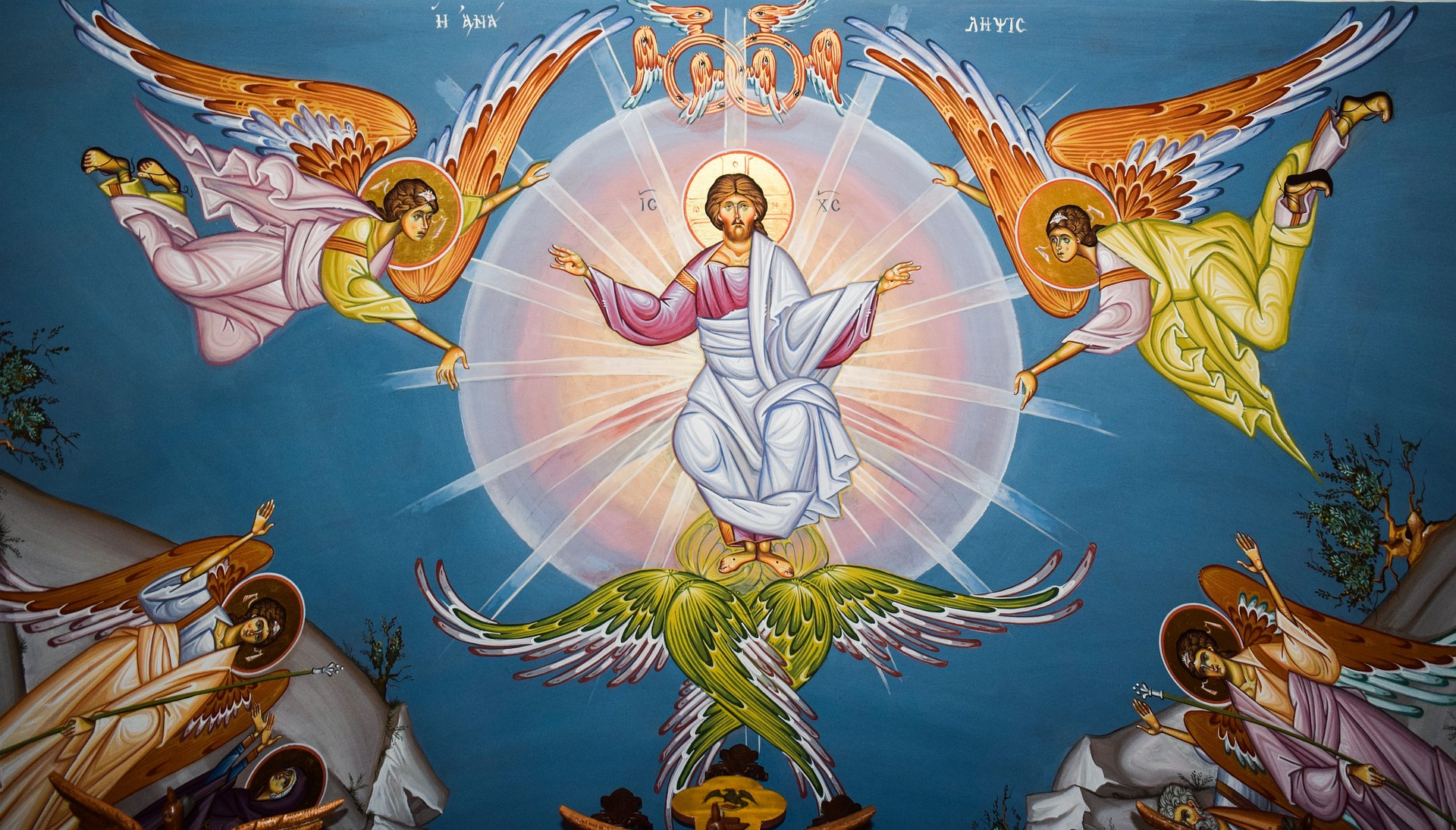
Our journey through Lent is complete, we can once again proclaim alleluia as we rejoice entering the time of Easter to celebrate the resurrection of Christ. We also celebrate our new brothers and sisters who received the sacraments of baptism, confirmation, and first holy communion last night at the Easter Vigil and who have now joined the Body of Christ to continue their own faith journeys as part of Christ’s church and this community – our parish.

Many of you might remember a radio show hosted by Paul Harvey where he told “The Rest of the Story”. He would share these tales of unique circumstances behind events in the world that had some sort of historical significance or were about a well-known person. Well, today – on this Easter morning – through our readings and the gospel, we come to realize that the apostles could have used an episode of Paul Harvey telling them the rest of the story on that first Easter morning.

We begin today hearing once again, as we do each Easter Sunday, Peter’s account of Jesus’s life from when Jesus was baptized by John in the Jordan River, his three years of ministry, his passion, suffering and death on the cross, his resurrection and then his commissioning of the apostles to carry the good news to all ends of the earth.

Do you know why and to whom Peter was telling this story?

He was telling it in the home of the roman centurion named Cornelius who had his entire family and servants present to hear it. Shortly after Peter finished the story, the Holy Spirit comes down upon all present and Peter then baptized the entire household in Jesus’s name. The members of Cornelius’s family and household were obviously on a journey to belief in Christ and made it together resulting in Peter’s visit.

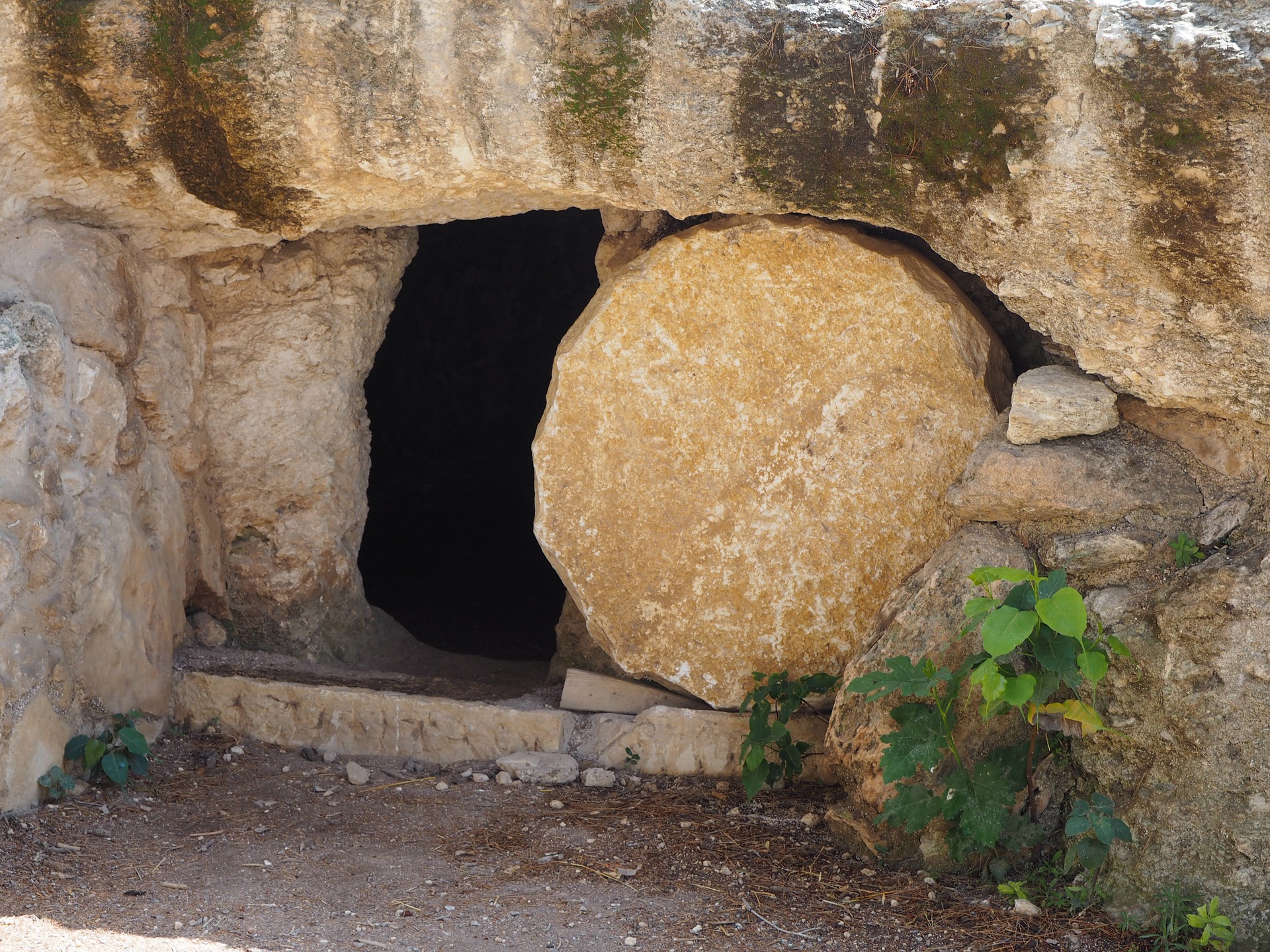
After our own Lenten journeys over these past forty days, we have also experienced Jesus’s life in a very particular way, especially through his entrance into Jerusalem to shouts of Hosanna on Palm Sunday, and then the most holy Easter Triduum from Holy Thursday, through Good Friday, and in the quiet of Holy Saturday. We have now arrived at the empty tomb and the promised resurrection of our Lord and Savior Jesus Christ.

However, for the apostles’ things must have felt very different because they did not yet know the rest of the story quite yet – but as we know – very soon that will happen.

But first – can you imagine the emotions that the disciples went through early on that first Easter morning outside of Jerusalem at the tomb? Remember, they were actively living this experience in the flesh – we on the other hand are blessed to already know how this story ends – but the apostles – they didn’t have that knowledge yet.

Mary Magdalene’s first reaction in John’s gospel, when she finds the empty tomb, is to run and tell the apostles that the body of Jesus had been taken from the tomb – that it had been stolen – what else was she to think in that moment?

This news prompts Peter and John to run to the tomb themselves to see what Mary has witnessed.

John arrived first and slowly knelt down and cautiously peered into the darkness of the tomb through the opening and saw Jesus’s burial cloths right there where they had laid Jesus on Good Friday after His death on the cross. I’m sure John was still trying to understand what he was seeing when Peter caught up and went straight into the tomb, without any hesitation, to also then see its emptiness and the burial cloths that were left behind.

At this point Peter did not fully comprehend what he was seeing. It must have been frightening to find Jesus’s body missing, but, as John will write in the gospel that bears his name many years later, they did not yet fully understand that Jesus had to rise from the dead.

To them, in that moment, this was just another bad situation piled on top of the last few days as they watched their master be betrayed, judged, tortured, and then die on the cross.

That walk back into Jerusalem must have been so heart breaking. All they had were each other as witnesses of what they had seen over the last few days and now the body of Christ is gone from the tomb. Can you feel what that emptiness must have felt like in your own hearts? In that moment, the disciples were likely experiencing a deep hurt and confusion.

As I mentioned earlier, we already know the end of the story. We know that Jesus was not in the tomb because his heavenly Father, our God, raised him from the dead as he promised to do. We are able to rejoice in this moment, on this glorious day, because we know the rest of the story. The apostles would finally know the rest of the story themselves when Jesus appears to them later in the upper room.

At that point, they are also finally able to understand and rejoice in Christ’s resurrection.

Today, as we also rejoice for the empty tomb and the resurrection of Christ, it is now time for all of us to continue this journey, to continue this story and carry the Easter message of Christ out into the world because it is not a finished story – it is still being written – each and every day and we are to go out and show that we are disciples of the Risen Christ, that we are a resurrection people by the way we love each other and our neighbor.

Embrace this Easter season – find and experience new ways to celebrate the gift of Christ’s passion, death, resurrection, and the gifts and graces that come from His sacrifice. He wants to embrace each and every one of us close to his heart – and that love is not seasonal – it is unconditional and forever.

We do this because as it was promised:

He is Risen – Risen Indeed! Alleluia – Alleluia!

Homily for Ash Wednesday 2023

By Deacon Richard Hay

“Lent?”

What exactly is Lent?

Yes, it is the forty-day period that we observe before Easter and it is also the period during which we are encouraged to spend more time focused on praying, fasting, and almsgiving to grow closer to Christ as we hear in the gospel.

However, the question I am asking is what exactly is Lent for each one of us.

Is it just dates on a calendar that we make our way through until Easter arrives? Is it just a period of time where we might give up chocolate, coffee, soda, social media, or some other thing because that is what we have always done during Lent in the past?

It might be time to try a new approach to Lent. That it not just be days on the calendar, or simply giving up something just for the sake of giving something up.

It is important to put some thought into why we are doing these things, into why the church provides this period of forty days on the calendar, and how we can individually and as a faith community spend this time truly growing closer to God which is why this season exists.

In his message for Lent this year, Pope Francis writes – “Lenten penance is a commitment, sustained by grace, to overcoming our lack of faith and our resistance to following Jesus on the way of the cross.”

The Holy Father goes on to say that “tradition is a source of inspiration for seeking new paths and for avoiding the temptation of immobility.”

In these two short passages, the Pope is providing a roadmap for Lent.

First is commitment. Commitment needs to be taken to the next level and rather than just giving something up, what about adding something in our faith life. For instance, at Sacred Heart each Friday in Lent there will be a soup supper followed by stations of the cross – one of our Church’s traditions. Maybe another option is to spend more time reflecting, praying, and meditating on scripture, or learning how to pray part of the Liturgy of the Hours.

Next, how can grace be sustained?

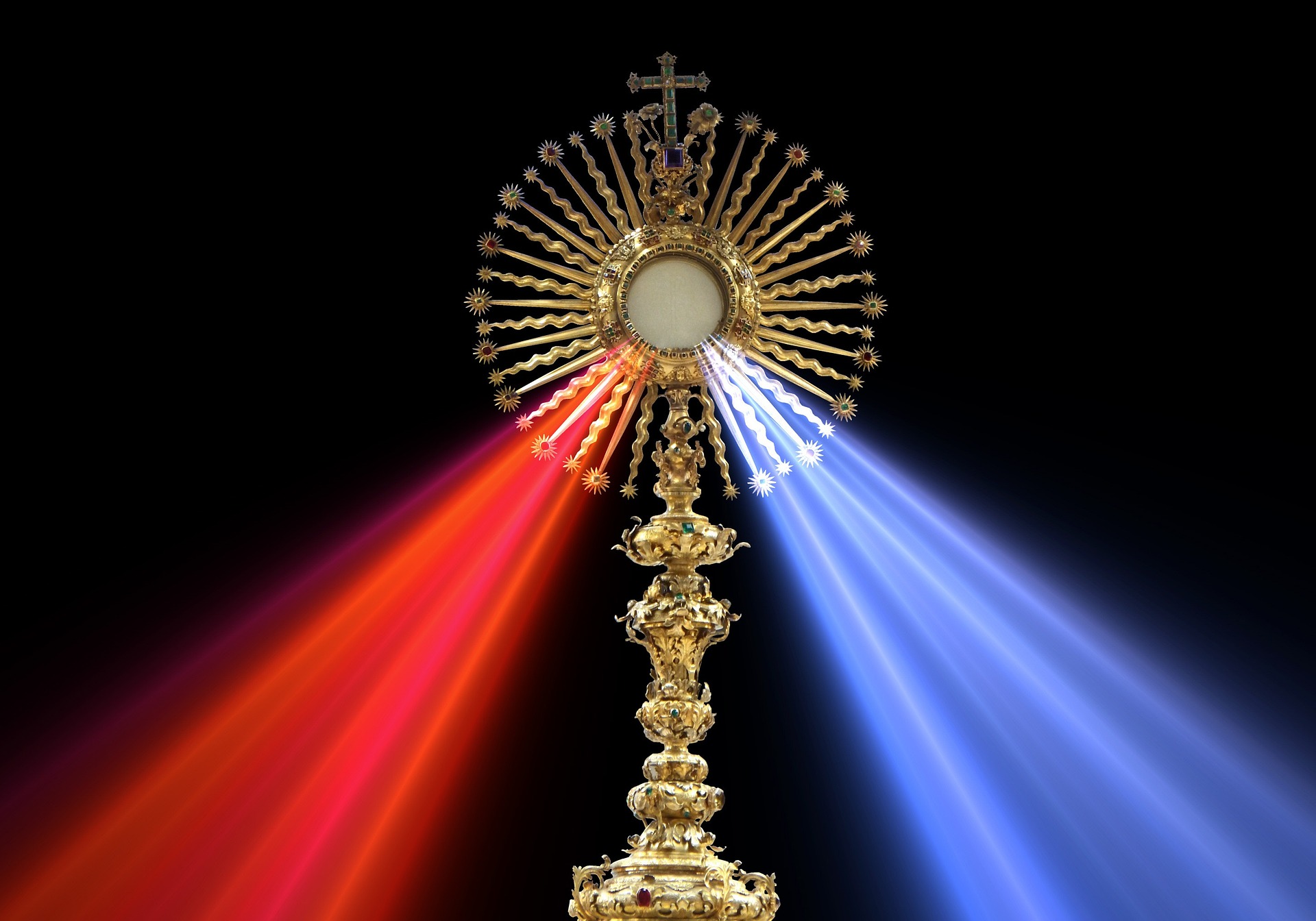
Well, where does grace come from? It comes from the sacraments. During Lent we can grow closer to the Lord and be strengthened by grace through reception of the sacraments – in particular the Eucharist and Reconciliation. There will be multiple opportunities for reconciliation here and at other neighboring Catholic churches during Lent. In addition to our weekend schedule, we have daily masses Monday through Friday to receive the Lord in the Eucharist but Jesus is also always present in the tabernacle, and all are welcomed to stop in the church during the day to spend a little quiet time in prayer with Him.

To overcome our lack of faith and resistance to following Jesus fully to the cross, the answer is all of the above. Scripture, prayer, and receiving the sacraments for their sustaining grace.

Finally, the Holy Father mentions seeking new paths that help us avoid past immobility.

In other words, choose to not stick with the status quo but try something new for Lent. Our church is full of traditions and devotions that can be adopted and learned. It is easy to be comfortable with past approaches to Lent. The question to ask ourselves, is did those efforts become new ways for us to be devoted and closer to Christ and were they sustained after Lent was over?

If the answer to either of those questions is no – then it is time to consider a new approach during Lent because ultimately, if nothing changes – then nothing changes.

The goal is not to survive Lent but flourish by growing closer to the Lord and by seeking penance for our sinfulness. Our efforts in the next 40 days and beyond will allow the Lord to mold our hearts to be more like His and that will prepare us to celebrate the Easter mysteries. As a result – just like the Lord promised – our reward will be great in heaven.

Homily for Third Sunday of Ordinary Time – Word of God Sunday (Year A)

By Deacon Richard Hay

“Scripture, Light, and Our Call”

Today, my homily has three parts – almost like three mini homilies in one – but I promise it will not be three times as long!

A few years ago, the Holy Father declared that the Third Sunday of Ordinary Time, today, would be observed as Word of God Sunday. The intention is to remind us to celebrate, study, and spend time with the Word of God. It is an opportunity to emphasize the importance of holy scripture in the life of the church and in our own lives.

The running joke has always been that we Catholics never read our bibles. That has changed significantly though, because many Catholics do spend time with scripture for prayer and reflection. However, the joke had some shortfalls because it assumes that Catholics never hear holy scripture.

While many Catholics might not have been reading the bible themselves – every Catholic who attended any Mass was hearing right from the scriptures. The obvious places were the readings, responsorial psalms, and of course the proclamation of the gospel.

We hear even more from scripture as the priest says the words of consecration at the altar in the person of Christ – the same words that are throughout the gospel accounts of the last supper when Christ instituted the mass on Holy Thursday.

We hear scripture each time we come to mass and as the mass is the source and summit of our faith – that is a very good thing.

Could we spend more time with holy scripture outside of the mass – absolutely and we should. That could be as simple as praying over the readings for the mass at home or here in the pews even as you wait for mass to begin. Maybe join Fr. Mike’s weekly bible study or use the numerous resources the church provides on the web about scripture. The goal is not to become a scripture scholar – but to simply spend a little more time reading and praying over the scriptures and letting those words speak to our hearts and our souls. As always, make sure to spend quiet time afterwards and give God a chance to speak to us through the holy scriptures.

One of the themes of our readings and gospel today is about light and darkness – something we hear of very often throughout scripture. The connective thread from the first reading, which is from Isaiah, is the prophecy that reads the people who walked in darkness have seen a great light; upon those who dwelt in the land of gloom a light has shone. Then, in the gospel, is the fulfillment of that prophecy thru Jesus’s ministry.

The truth is that darkness cannot overcome light. If we walk in the light of the Lord and share that light – share that faith with our families, friends, our fellow parishioners, and even the strangers we meet – then darkness cannot overcome us. Next week, we will hear from the Gospel of Matthew about the Sermon on the Mount when Jesus shares the Beatitudes. There is a scripture verse just after that where Jesus reminds the crowd that we do not light a lamp and then place it under a bushel basket – instead that lamp is placed up on a stand where it gives light to the whole house.

That is the kind of light we all should work to be in our lives – one that is bright and lights up wherever we might find ourselves.

The second theme from this Sunday’s scripture is about vocations – we heard in the gospel how Jesus walked up and called Simon, Andrew, James, and John right from their fishing boats – and how did they react when called?

Did they challenge Jesus and ask – are you talking to me – a simple fisherman? No, they once and immediately dropped their nets and what they were doing and joined Jesus – no hesitation – no thinking about it – they just did it.

Feels like a scary proposition, doesn’t it? Just dropping everything that we know of our own lives and unconditionally following someone who walks up and just asks us to do so.

I recently shared about my own vocational call to the diaconate with the Council of Catholic Women here at Sacred Heart. I told them after joining the Catholic church in May of 1987, I started to be prompted about ordained service in the church. I even at one time told Margo that I thought I might have liked to have been a priest.

I managed to push that call aside for almost 20 years before finally saying yes in 2008. Whether it was my own disbelief in being truly called to such a vocation or fear of what it might mean to follow that calling – I managed to keep it at bay until one day during Eucharistic Adoration when I clearly heard the voice of God say to me “When are you going to hear my call?”.

Those words in that moment were as clear as any indication I had been given over the previous twenty years – but in that moment I believe I was more ready to hear them – more ready to trust them because of my own growth in faith.

God is persistent and patient – whether He gets you to drop everything you are doing in that very moment to follow him like the apostles did or He waits 20 years for it to happen – if he is calling us to be part of the light of the world – I don’t believe there is any way to ultimately deny His call. We have to be willing to open our hearts and say yes to our own vocation whether that is as a priest, deacon, religious, husband, wife, parent, single, or any other number of ministries in the church.

It all begins with our “yes”.

Our yes to holy scripture, our yes to being light in the world, and yes when Jesus calls us.

Homily for Christmas Day 2022

By Deacon Richard Hay

“Anticipation and Expectations of Christmas”

Anticipation and expectations are big aspects of today’s celebration of the birth of our Lord.

Our four-week journey through Advent helped prepare us in anticipation of our Saviors birth as a baby in a Bethlehem stable. There were plenty of expectations leading up to this day as we have heard in the readings. However, we also learn that God’s plan is not always our plan.

Caesar Augustus for instance was expecting his rule over the Roman empire to continue unfettered as he ordered a census to count everyone to make sure the proper taxes were being collected. He believed himself to be in control of the “whole world” – little did he know that was going to change in God’s plan.

Mary and Joseph, having said yes to God’s call to bring Jesus into the world, had their own expectations. Likely that included quiet family time in their hometown of Nazareth and the arrival of Jesus. However, they are required to head to Bethlehem for the census and end up being there when it is time for Jesus to arrive. They were surely not expecting to begin their family out in a stable using a feeding trough as a crib, surrounded by animals, but that ended up being part of God’s plan too.

The shepherds out in the fields were certainly not expecting the night sky to suddenly be lit up with a multitude of angels singing “Glory to God” and announcing the birth of a savior. In fact, as we hear in the gospel, they were already “keeping the night watch over their flock.”

Shepherds were counted at the low end of society in those days. However, they were elevated in God’s plan by being the first to hear of the birth of Christ.
All of this was God’s plan – none of it was accidental or a coincidence – it was in fact intentional in fulfilling the Old Testament prophecies surrounding the birth of Jesus.

What about our own expectations? Things like…

  • Getting the shopping done for the meals and presents
  • Getting the house ready for family and friends
  • Getting to the various Christmas parties, the kid’s concert at school, plus of course the kids expectations approaching Christmas such as gifts, and being with their friends, etc. – it can get very busy and sometimes distracting.

The world around us has expectations as well, such as how quickly everything can shift from Christmas to the next holiday – Valentine’s Day in this case – and yes – I have already seen at least one retail store making this shift last week even before Christmas arrived.

This time of the year requires patience on our part so we can not only prepare for the arrival of Jesus but to also celebrate His birth.

In fact, the church plans for that. While the world approaches Christmas as a single day on the calendar – we celebrate what is called the Octave of Christmas – an entire week of liturgies celebrating the birth of Christ. It allows us to hold onto Christmas in a very unique and purposeful way, while the world around us moves on. It begins today and ends next Sunday with the Solemnity of the Blessed Virgin Mary, Mother of God.

We do this because just one day to celebrate the birth of Christ is too short – too quick. We take our time because God is now with us, God is now among us, and God is for us – for all time – and we should cherish that gift in our lives not only on Christmas, but throughout this season and every day of the year.

That – is worth celebrating more than just one day on the calendar.

Then, to take our celebrations even further, after the Octave of Christmas – we are still in the Christmas Season until January 9th – when we celebrate the Baptism of the Lord.

Through all of this, we have an opportunity to reset our own expectations of this season and find ways to extend the celebration of Christmas.

Now, our live Christmas trees might be dried out by now if they went up shortly after Thanksgiving and will need to be dealt as we do not want fire hazards in our homes, but what about a new family tradition or two as part of the season.
For instance – here is something we can all try out this Christmas Season.

Most of us have nativities in our homes so make it a special occasion on the Epiphany, that is on January 6th, when three wise men come to honor Jesus with worship and gifts. Gather the family around the nativity and bring the three wise men figurines out and place them in the nativity scene. Then, share the gospel reading about their visit which you can find in Matthew, Chapter 2, in the first twelve verses.

Here at the church, on the evening of the Epiphany, we are having a special service to celebrate and learn more about the wise men’s visit – another opportunity for a new tradition.

Something like these special family traditions or others that you decide on can really help us all focus and continue our celebrations of Christ’s birth beyond Christmas Day itself.

So, on this Christmas Day and throughout the entire Christmas Season, we should rejoice and be glad, for our salvation has come in the form of a tiny baby born in a stable. Remember to also share this good news with our families, friends, co-workers, and others by showing the love of Christ to all those around us.

Two final thoughts:

First – God has a plan for each one of us and often it’s not what we had in mind. Be willing to hear and trust His plan as Mary and Joseph did.

Second – Don’t rush past Christmas but show the world that we are Christians by our love and actions all year long – both for Christ our Savior who is born today and remains always among us – and for our neighbors wherever we encounter them.

Merry Christmas!

Homily for Third Sunday of Advent – Gaudete Sunday (Year A)

By Deacon Richard Hay

“Rejoice in our Joy and Hope”

Our Advent journey of preparation for the coming of our Lord is more than halfway complete. Today, on this third Sunday of Advent, we observe Gaudete Sunday.

Gaudete is Latin for rejoice.

To rejoice and show joy on this day of our continued preparation for the Lord and His coming at Christmas, you will notice two very distinctive signs that this Sunday is different from the other Sundays of Advent.

One is the vestments. We shift from purple, the liturgical color that signifies penance, preparation, and sacrifice to rose colored which symbolizes joy in the Church.

Second, the third candle in the Advent wreath is also rose colored to carry that light of joy and rejoicing which we are called to on this day.

The rose color is a much brighter color compared to purple of course but did you know they both contain the color red in them? A very important liturgical color in the church because it reminds us of the Holy Spirit, the martyrs and of course Jesus’s sacrifice.

Gaudete Sunday is not a disruption from our Advent journey, but it is part of it and integral because it is a day to celebrate with some joy as we are reminded that Christ’s birth is very near, and it reminds us of why we make this four-week journey of Advent towards Christmas and the birth of Christ.

That reason is hope.

Hope for the coming of the Lord as an infant in the manger, Hope for the second coming of the Lord at the end of time, and our continued Hope for the graces of our faith which come from God through Jesus each and every day as we receive the sacraments of our Church.

With all that said though, we continue to be in a period of preparation because Advent is not over, and Christmas has not yet arrived.

However, the world around us already has Mary, Joseph, Baby Jesus and the three Wise Men out and on display in nativities everywhere, so we are also called to patience as we continue to prepare and wait for Christmas.

It can be challenging to say the least. John the Baptist also found himself facing a new challenge as we hear in today’s gospel.

John is no longer in the desert preparing the way of the Lord but has now been imprisoned. Despite his circumstances, John is not worried about himself but about the faith and future of those he ministered to during his own ministry.
That is why he sends his own disciples to Jesus – to ask Jesus if He was the one, the one that John preached about in the desert – the messiah – or is there another yet to come that they should wait for.

Jesus’s response would have provided great comfort, and dare I say some joy, to John because rather than just answering yes or no to John’s question, Jesus shares how Isaiah’s prophecy, what we heard in the first reading today, about the Messiah, was being fulfilled right then and there.

Notice Jesus did not tell John’s disciples in the gospel to go and tell John what he, that being Jesus, was doing. Instead, Jesus instructs them to go back and tell John what they have heard and seen…

• The blind receiving their sight…
• The lame walking…
• The lepers being cleaned…
• The deaf hearing…
• The dead being raised…
• The poor having the good news proclaimed to them…

A very powerful witness that likely eased John’s concerns about who Jesus was and what he was doing in his ministry.

We too can be witnesses to what Jesus is accomplishing if we are paying attention by watching and listening with our hearts each day for when we encounter Jesus either in ourselves or in others.

There are always blessings and joy to be found from Jesus in the events of our life. Whether it be losing a job that brings us to an unexpected opportunity, reconnecting with family after long absences, the loss of a loved one, a new addition to our families, and the graces we receive through the sacraments as we grow closer to the Lord in our daily lives. Only things of God can give us this true joy and these graces.

How can we help bring joy to someone as we prepare for Christmas? Well, we do that by being of service to others.

As Pope Benedict XVI wrote in his book titled “The Joy of Giving to Others”, he said:

“Being happy with God means loving like him, helping like him, giving like him, serving like him. God abides in those who love like this and their souls rejoice.”

It’s a circle of giving to others in the ways of God and in turn our souls will rejoice because we are abiding in God’s will and fulfilling His call for us to love others. It’s a great way to share joy with our families, co-workers, friends, others we know, and even strangers.

So, as we continue our journey towards Christmas over these next two weeks, let’s each endeavor to share the reason for our joy, hope, and rejoicing with someone else who might just need to hear that message.

Homily for Thirty-second Sunday in Ordinary Time (Year C)

By Deacon Richard Hay

“Heaven on Earth”

When I first start preparing a homily I typically read, reflect, and pray on the scriptures for that upcoming Sunday. After that, I start to jot down thoughts that come to me during continued prayer and reflection. This week as I focused in on the gospel that we just heard, that question the Sadducees asked Jesus about one wife and seven brothers relating to death and marriage following the resurrection was daunting.

However, as we learn, the Sadducees did not believe in the resurrection, so it was meant to be this very sensational proposal. Their goal was to see Jesus falter in his response.

Of course, Jesus knows what is in their minds and on their hearts, and as he does in many other similar situations, he doesn’t directly answer the question.
Our ideas of normal relationships such as marriage, family, and friends – don’t even translate to what we will experience in heaven as we hear in this gospel.

Now, I am not here to tell you how heaven is going to be because I am in the same position you are – very human and very incapable of understanding the breadth and depth of what that will be like.

However, in not answering their question, Jesus gives us some insight about being in heaven.

He says – “The children of this age marry and remarry; but those who are deemed worthy to attain to the coming age and to the resurrection of the dead neither marry nor are given in marriage. They can no longer die, for they are like angels; and they are the children of God because they are the ones who will rise.”

In these words he describes heaven as a place where there will be no marriage as we know it and that there will be no more death as we know it. Why will things be different in heaven compared to here on earth?

Because as Jesus says “they are like angels”, “like the children of God” and those who will be in heaven are the “ones who will rise” from the dead and they can no longer die. Our existence is completely changed in heaven.

The reality is that the happiness and joy we will experience in heaven will surpass what have been our happiest moments in our current lives. There is simply no comparison that can do justice to what being in heaven with God is going to be like. There is no reason for us to extend our family lines through marriage and children because we will all be alive forever in heaven.

Part of the reason it is tough for us to comprehend all of this is that heaven is a profound mystery of our faith. Not a mystery like a puzzle to be solved – but a mystery of the deepest kind that is simply beyond our ability to fully understand. That is OK though because our faith helps us with this belief.

This also does not mean we can’t get close to heaven here on earth.

First – God gave us the sacraments as a visible sign of His grace for us, and each sacrament we receive gives us God’s grace to strengthen us for our journey in this life. Receiving God’s grace brings us closer to heaven and that of course is God’s plan.

However, the closest we can be to heaven in this life is by being right here where each one of us chose to be today – at church participating in the celebration of the mass. The Eucharistic miracle which happens on this altar at every single mass is described as the “source and summit” of our faith and the mass is where heaven and earth come together briefly at that summit.

In the preface to the Eucharistic Prayer, when the priest says “…and with the angels and all the saints, we declare your glory as with one voice we acclaim…” and then we respond with the Holy, Holy, Holy – that is a reminder that it is not just us here celebrating the glorious sacrifice of this mass but the angels and all the saints are present as well – it’s a foretaste of heaven here on earth.

Another aspect of the mass that connects heaven to earth in a special way is Christ’s presence in four very distinct ways:

First – In His Body: In this Congregation – that means all of us here present…

Second – In the Ministry of the Priest – who is in Persona Cristi – the person of Christ…

Third – In the Proclamation of Scripture – especially the gospel because those are His words…

And fourth – In the Sacrament of the Altar – in the true presence of Christ in the Most Holy Eucharist – the body, blood, soul, and divinity of Jesus…

Imagine what it might be like to see this meeting of heaven on earth during the mass. It just so happens to be possible through the eyes of a film maker.

Our homework for this week is to view a short video called “The Veil Removed” It is available on YouTube and I also posted a link on our Facebook page.

Sit and watch that seven-minute visualization of what happens at the mass each and every time it is celebrated. Then, spend some time in prayer with the Lord and thank Him for the wonderful gift and blessing that is our faith and all it entails, including the parts which we don’t fully understand.

Homily for Twenty-ninth Sunday in Ordinary Time (Year C)

By Deacon Richard Hay

“Perseverance, Persistence, and Prayer”

In the last couple of weeks, scripture readings from the daily Mass and now in today’s readings, have been focusing on prayer.

One of the readings tells us about when the disciples asked Jesus to teach them how to pray, he taught them what we know as the Lord’s Prayer. In the very next day’s gospel, Jesus tells the parable of the Persistent Friend – this is the one where a man goes to his neighbor’s house at midnight to ask for some bread to give to a friend that has just arrived at his home following a long journey. Initially, the neighbor refuses but ultimately provides the bread after his friend’s persistence.

Prayer is integral to so many aspects of our faith – to use a cliché – it is some of the glue that holds our faith together. In every liturgy and devotional act the Church participates in – prayer is a key part.

Prayer is such an important part of our faith, that Jesus not only taught us to pray but also set the example of how to pray at times by finding solitude – a quiet place – so that we can spend contemplative time with God to hear the whisper of his voice.

Taking a closer look at our readings today we see that in Exodus, the story of the battle between Amalek and Joshua, that as long as Moses held the staff of God over the battlefield, the Israelites were winning. However, overtime, as his arms grew tired and he tried to rest, Amalek would then gain the upper hand. Eventually, Aaron and Hur devised a way to help Moses by providing him with a rock to sit on and then helping to support his hands holding the staff of God over the battle. Ultimately, the Israelites won. Moses hands with the staff of God in them, being extended were like prayer, being offered persistently but as he tired and stopped praying – the situation in front of him changed. When other members of the community came to his assistance, participating in that prayer by supporting Moses, it proved successful because of the power of joining together in prayer.

Don’t we all often ask others to pray for us or for a special intention? That is a good example of joining together in prayer.

In our responsorial psalm, we hear about persistence because the Lord is always there to hear us in prayer, to watch over us as we sleep, protect us from all evil, guard our lives and our coming and going. One thing that is distinctly different between our persistence and God’s – He never grows tired of always being there for us.

In our second reading, St. Paul writes to Timothy saying that we should be persistent whether it is convenient or inconvenient. There are going to be times that being persistent in prayer and our faith will be easy and other times it will be hard – it is how we approach our prayer and faith in those circumstances that help us build up our persistence in both. In other words, it is easy to be persistent in prayer when things are going sideways in life because we are troubled, and we turn to God – as we should. However, many of us, and I include myself in this group, can get less persistent in prayer when things are going pretty well. We tend to let things ride in those times of less stress, worry, and concern.

Can we be persistent in prayer when it is convenient and easy plus when life is throwing multiple curve balls at us? By definition, persistent means that we should be, however, it is admittedly easier said than done.

We now arrive at the parable in today’s gospel – that of the Persistent Widow. This is another example of how persistence in prayer can help us. In this case, the widow has obviously tried to get a proper judgement for her situation multiple times but as we hear, the judge has no fear of God or of man and refuses to grant her a ruling. However, her persistence results in the judge eventually deciding to give her the ruling she seeks out, but he does it out of fear that the widow would strike him.

Now just a note here, God doesn’t answer our prayers out of fear but according to His will and what he knows we need. More about that in a minute.

Whether they are a request for a particular need or for thanksgiving for prayers that have been answered – yes prayers of thanksgiving are something God loves to here from us as well – we should try to always offer these prayers with persistence.

Now let me go back to how God answers our prayers – because this is important for all of us to understand.

In the past week, I came across a quote from Fr. Donal, our retired pastor, that was part the October Faith Moment for Habitat for Humanity here in Clay County.

In it he reminds us that what we perceive as unanswered prayers are not due to a weak faith on our part, or position in life, or any other expectation or qualification. Those prayers are in fact answered but in accordance with God’s will.

God as our Father knows what is best for us and of course His knowledge is infinite, His will for us is always good. He will never give us anything that is bad for us. So, when we pray for a miracle healing and that prayer seems unanswered to us, we may need to look and see what blessings might be surrounding that situation and try and discern God’s will in those circumstances. Sometimes, those blessings might be very clear but at other times, it might take some time for them to be revealed to us.

Our faith requires a belief and trust in God’s will for us – that he would never give us a rock when we ask for bread or a snake when we ask for a fish.

And when all else fails in our human understanding of God’s will for us – it just might be time to be persistent and take that lack of understanding into prayer too.

Homily for Twenty-sixth Sunday in Ordinary Time (Year C)

By Deacon Richard Hay

“Mind the Gap”

If you have ever visited London and used their subway system, it is very possible you have seen this seemingly innocent phrase, usually in yellow paint with a thick line before it along the entire train platform.

It serves two purposes – one to remind riders to watch out for the small gap between the platform and the train when they are boarding and two – it cautions you to be careful when there is no train in the station because of the much larger gap from one side of the tracks to the other. Both of these gaps have their perils and “minding the gap” is critically important for our eternal souls as we hear in today’s gospel.

The gap we hear about today is described as a chasm – between the rich man and Lazarus. This gap existed when they were both alive and in very different circumstances – in fact starkly different – and that same gap exists after their deaths, but the tables are turned.

In life, Lazarus was the forgotten one – the rich man would not pay any attention to him although Lazarus laid at the rich man’s door where he would walk past Lazarus covered in sores and hungry. The rich man did not think Lazarus was worth his time or attention.

This created a huge gap in their earthly lives and existence however, when they both died, things changed significantly.

The rich man finds himself in torment and when he looks up, he sees Lazarus being cared for like he had never been cared for before. The rich man then tries to negotiate with Abraham to have Lazarus come and bring him just a small drop of water to cool him off, Abraham reminds the rich man that he had all that was good while on earth while Lazarus had nothing. Abraham reminds the rich man that there is now a great chasm, a great gap, between him and Lazarus and it is there so that no one can cross it.

The chasm between the rich man and Lazarus seems insurmountable as this story concludes and it is. The rich man has reached a point where the actions of his life on earth are irreversible – there is no going back for him – no opportunity to improve his standing.

The parable reinforces the fact that the rich man did a very poor job of “minding the gap” between him and Lazarus on earth – and that gap cannot be changed after they have both died. No second chances in this parable.

Now this parable is not about condemning those who have riches, anyone of any stature could find themselves dealing with this huge gap in their lives. However, could the rich man have tried to make a difference in his life to lessen this great chasm in the afterlife?

Sure he could have. Just one of those times as he walked past Lazarus outside his door, he could have done like the Good Samaritan did when he saw the victim of robbers on the side of the road and gotten Lazarus’s wounds treated, provided him some food and drink, and helped improve Lazarus’s earthly existence.

When we hear a gospel like this today, it can be very uncomfortable, maybe even causes us to squirm a bit in our seats. First, that is OK because it is our conscious reminding us of where we stand when it comes to “minding the gap” between us and those who are less fortunate.

The key is – do we listen to our conscious? If we do, then we are already making strides to “minding the gaps” in our lives. If not, then maybe we should spend some time in prayer and take a closer look at that part of our life.

The main aspect of “minding this gap” is love – the love of Christ. Recall that when Jesus was asked what the greatest commandment was, he said that we were to love the Lord, our God, with all our heart, with all our soul, and with all our mind. He then quickly added that the second greatest commandment is that we should love our neighbors as ourselves.

If we approach everyone we encounter in the world – family, friends, co-corkers, the stranger on the streets, with the love of Christ, we will then be “minding the gap” between us and others – we avoid the great chasm the rich man experienced.

Now take it to another level – the corporal works of mercy which we hear from Christ at the final Judgment in the book of Revelations:

• Feeding the hungry
• Giving drink to the thirsty
• Sheltering the homeless
• Visiting the sick
• Visiting the prisoners
• Burying the dead
• Giving alms to the poor

Christ tells us that if we did any of these things for the least of his brothers – then we did them for him. In other words, we “minded the gap” for the love of Christ and his presence in others.

It takes me back to my homily last month about whether there is a checklist of things to do to receive a heavenly reward. While there might not be a specific checklist, God gives us plenty of examples of what to do and what not to do in order to avoid having a big gap – a chasm – in our own lives.

Our goal this week as we walk away from here is that we should pray about and then address that uncomfortable feeling we might have experienced as we heard this gospel today. We can then take the steps to make sure we do not have a gap between us and anyone else in this world or the next!

Homily for Twenty-fourth Sunday in Ordinary Time (Year C)

By Deacon Richard Hay

In today’s readings, we hear a great message of mercy. The mercy of God when he hears Moses and chooses not to punish the Israelite people due to their disobedience; the mercy in the responsorial psalm about how God’s compassion wipes away our offenses; the merciful treatment Paul mentions in the second reading despite his history as a blasphemer and persecutor; then in the gospel, the parables of the lost sheep and lost coin. In all of them much rejoicing as one sinner repents.

Then we hear a wonderful story of mercy and forgiveness in the parable of the Prodigal Son. This is a powerful story to consider in our own lives as well.

Pope St. John Paul II wrote about the message of this parable by saying that God the Father is rich in mercy and is always ready to forgive and that this forgiveness is pure gift on the part of the Father. In other words, there is nothing for us to do on our part to earn it – it is freely given. For us, however, it is a little more challenging to offer that same level of forgiveness out of our human nature – not impossible – but likely requiring much prayer, reflection and yes, mercy.

Because of our human nature and imperfections, for us total forgiveness is a tough proposition. The father in the parable, who represents God the Father, shows us the path towards total and uncompromising forgiveness. Untold families have experienced the heartbreak of troubled relationships and a break in the trust between us as parents, brothers, sisters, and other members of our family. No matter the cause of that break, forgiveness is hard. Our first response is not to break out jewelry, fresh clothes, and then throw a big party when that person who hurt us walks back into our lives.

We get a sense of how hard forgiveness is towards the end of the parable when the older brother hears the celebration while he is out in the fields working. He must ask one of the servants what is happening and that is when he learns that his younger brother has returned. He refuses to go into the party because he is angry about what is happening. Who among us wouldn’t also upset in a similar situation?

The father comes out to the older son and tries to explain – in fact the gospel says he “pleaded” with him to come in and celebrate and rejoice that his younger brother, who was thought dead, has now returned.

However, the parable ends right there.

We never hear whether the older brother listened to his father and subsequently entered the house to celebrate his younger brother’s return or if he remained angry. Maybe we’re not meant to know what happened at this point.

However, we may wonder if the older brother’s reaction has been addressed. Would a dialog between the two brothers begin if the younger one had gone outside himself to apologize and ask for forgiveness from his brother in the same humble way he sought that forgiveness from his father? That probably would have gone a long way towards mending those broken fences between them. In our own lives, being the first to apologize and ask for forgiveness from someone we have hurt is hard.

Ever wonder how the next couple of days might have gone after the younger sons return? Tensions were probably high around the house and the farm. However, there is some hope through this parable that the example of the fathers loving forgiveness would eventually prompt the younger brother to seek forgiveness directly from his older brother and then for the older brother to forgive his younger sibling.

We should all be able to see our own human reactions in the response of the older brother with his anger and feelings of resentment. If we’re honest with ourselves, if something like this happens in our lives, our first response is not to throw open our arms and rejoice. Forgiveness is also not the first thought to cross our minds either. The example for us to take away from today’s gospel, is to try and emulate the complete and unconditional love and forgiveness offered by the father.

Will we be successful 100% of the time when we try to respond in the same way? It would be challenging to land that approach all the time, but the potential exists to make a good effort to be forgiving and continue to work our way forward from there and rejoice in our efforts.

Rejoice as the father did on his younger son’s return. Did you catch that line in scripture where it says that the father caught sight of the younger son from afar off? That means he was watching for the younger son to return. The father, our God, is always watching for us to come back to him from our sinfulness and He will be ready to rejoice and greet us with open arms.

We receive mercy and grace from within the sacrament of reconciliation which offers us an opportunity for conversion and repentance. It allows us to receive God’s loving gift of grace. Remember the joyful celebrations that we heard about in the two previous parables about the lost sheep and the widow’s lost coin? They both rejoiced in finding what was lost because it represents the rejoicing among the angels of God in heaven over the one sinner who repents.

So, our challenge as we go forth from this place, this eucharistic celebration, is to rejoice in the Lord’s merciful forgiveness for us in our weakness. We should then endeavor to take that mercy and forgiveness from God and reach out to someone in our lives who we might be estranged from and offer forgiveness and peace like the Father offers us in our sinfulness.

When that happens, let us also offer a prayer of thanks to God for his gracious mercy and forgiveness that allows us to rejoice in his gifts of grace.

Homily for Twenty-first Sunday in Ordinary Time (Year C)

By Deacon Richard Hay

There is a form of data science these days called analytics – the study of data, both current and historical, around various activities to determine a possible outcome. It’s being used a lot in our modern world. I think Jesus’s followers were asking for the analytics about their chances to make it to heaven in today’s gospel.

Analytics are used in sports, businesses, supply chains, data management and many other areas. The intent of examining these numbers is to predict a future outcome. Sometimes it works and sometimes it misses the mark.

In other words, as many of us already now, the future is unpredictable. Unexpected situations and outcomes are part of life.

During His ministry, Jesus brought such a unique message to the people about baptism, salvation and the descriptions of the rewards of heaven, things that they had never heard before in such detail. So it’s not surprising to hear this question get asked.

I suspect many of us would be curious too. Are we doing enough to get to heaven – are our odds – are the analytics in our favor? Is there any way I could increase my chances of being saved?

Well, if we were expecting an answer out of today’s gospel it’s not forthcoming. Jesus instead talks about the path to heaven through the narrow gate not being an easy one.

In this image of a narrow gate, there’s a real sense of just how hard this passage would be for any of us. For me, it’s like five or six lanes of traffic trying to merge into just one lane – not an easy process, right? In reality, it’s not meant to be easy – getting to heaven that is – not the traffic. It will take work, effort, sacrifice, and strength on our part to pass through the narrow gate.

However, the question remains, can we improve our odds of reaching a heavenly reward?

Would we be OK if the answer is maybe? Remember, there are no guarantees in life – so we need to strive towards that ideal. However, God has given us the tools to move towards that narrow gate.

First – God loves us unconditionally no matter who we are or what we have done. That unconditional love is ultimately manifested through Jesus and his death on the cross. We should receive the love of God as a pure gift as part of our strength for this journey.

Second – God gives us His grace through the sacraments. While there are some sacraments we can only receive once, sacraments such as the Eucharist and Reconciliation can be received over and over again. Of course, that means more grace is received as we make those sacraments a regular part of our faith life. They are powerful gifts – full of God’s grace – which we need to sustain us each day and to fulfill his call to love.

Third – our church community is a sign of God’s love for us because we are not meant to make this faith journey alone. It is intended to be travelled with our family, friends, and fellow Christians. Coming to Mass each week, or more often, if possible, not only allows us to receive the body and blood of Christ regularly, but also enables us to connect with others who are on the same journey – towards heaven through the narrow gate. Journeys are much easier to accomplish when we share them with others.

Fourth – While the Mass is the source and summit of our faith and an important part of that faith, it cannot be the only thing we all do in this world as Christians.

In James we hear – “What good is it, my brothers, if someone says he has faith but does not have works? Can that faith save him?” and just a few verses later, James concludes this passage by writing “So also faith of itself, if it does not have works, is dead.”

Is our faith dead? This is a question each of us needs to look at and evaluate whether we are doing enough for those less fortunate than ourselves. Are we venturing out so we can see Christ in the faces of the poor, the lonely, the hungry? Are we doing something about it? Are we being the hands and feet of Christ in our world?

Faith requires the physical action of getting out there and helping others. For some of us this might feel uncomfortable – and that is OK. However, to get started, our parish has so many ministries looking for our help, all we need to do is ask and find out where our time and talents are needed.

In fact, starting next month for the first time since COVID, we will have our parish ministry fair after some of the Masses. This will be an excellent opportunity to learn about all the wonderful ministries our local church is involved with, and you just might find your opportunity to help others through one of them.

Now, going back to the suggestions I have shared, they can all help us make this journey through the narrow gate, but they are not a checklist nor are they a guarantee either.

However, let’s consider a starting point for all of these suggestions. In this past Friday’s gospel reading at the daily Mass, when he was asked what the greatest commandment was, Jesus said: “You shall love the Lord, your God, with all your heart, with all your soul, and with all your mind.” Immediately following that he also added that the second greatest commandment was that “You shall love your neighbor as yourself.”

The love of God and love of our neighbors is the core of all we should do as Christians. Therefore, if we love God, we love our neighbors and by loving our neighbors we love God. We can love the lord our God by being faithful to His commandments, receiving His graces through the sacraments, and performing works as part of our living faith.

Strengthened by those things, we can then turn and love our neighbors as ourselves. From there this beautiful cycle of love just keeps repeating.

Then, just maybe, we might increase our own opportunity to receive God’s love and graces to make that difficult journey through the narrow gate and have the spiritual strength that journey requires to be one of God’s chosen who will hopefully one day join Him in heaven.